

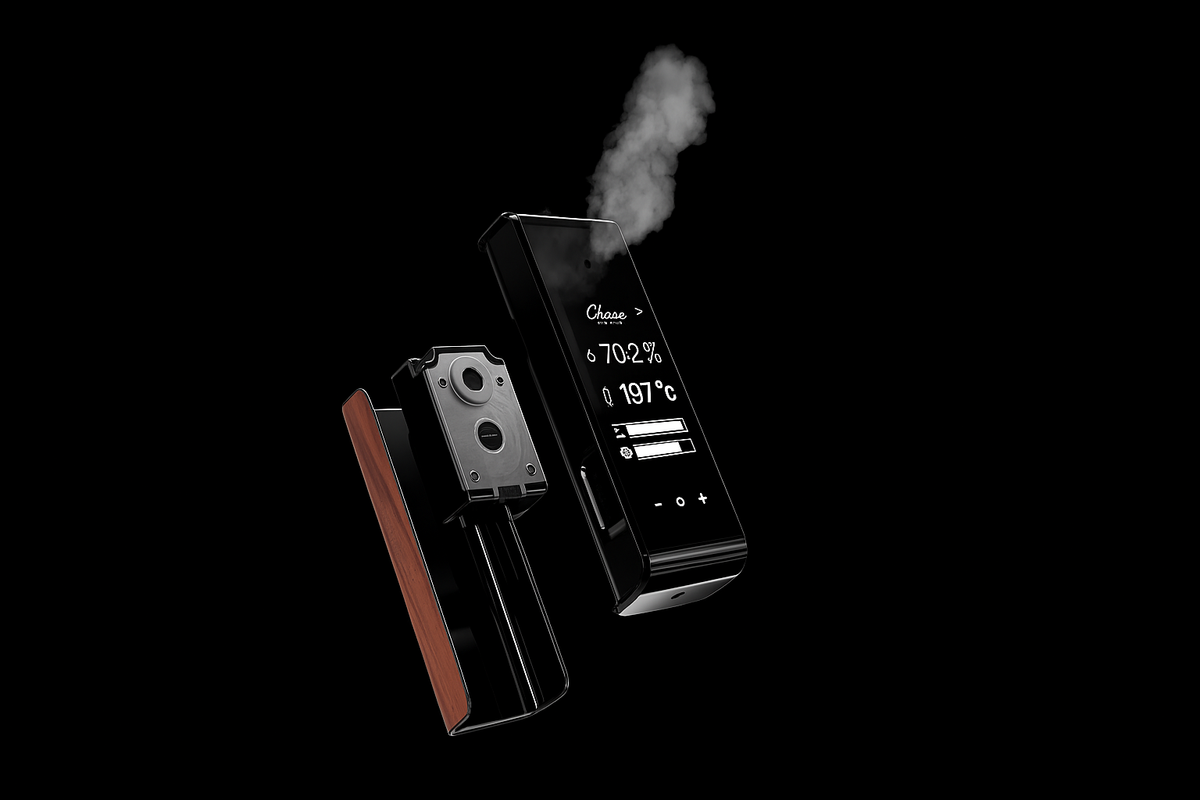
Humidifier Maintenance & Cleaning Guide
Got dry skin? Are your sinuses constantly congested? Does a scratchy throat plague every conversation? Humidifiers can seriously help. But here’s the catch: that helpful little machine can quickly turn into a gross breeding ground for mold, bacteria, and hard-to-remove mineral deposits if you don't show it some love. It turns out that the device intended to improve your air quality could be the reason you're feeling under the weather.
The secret? Regular, good cleaning. It will guarantee that your humidifier produces the comfortable and healthful air you have been seeking. This blog will provide you with an easy-to-follow cleaning schedule and key advice to keep it operating securely and smoothly. Let's explore how to keep your humidifier in good condition, including how to prevent mold growth and how often to clean it.
How Frequently Should a Humidifier Be Cleaned?
Since consistency is essential, the following cleaning regimen is recommended:
-
Daily: Empty the tank of any remaining water. Use a clean cloth to thoroughly wipe down all of the surfaces that are accessible, and then replenish with new water. Pro tip: To significantly reduce mineral buildup, use distilled or filtered water. You avoid that gross scale in this approach. Remember to dust the outside!
-
Weekly: Time for a deep clean of both the tank and base. This is super important to stop any mold or bacteria from settling in. Focus on the details and get into the hard-to-see areas.
-
Seasonally: Storing your humidifier for a long period? Give it one last, thorough deep clean before packing it away. Make sure everything is bone-dry before you put it away. This keeps moisture from turning into mold during storage.
The cleaning frequency might need a little tweaking based on how often you use your humidifier and the water quality in your area. Hard water causes faster buildup. Spot something slimy? Notice a weird smell? See mineral buildup? Don't wait; clean it as soon as possible, regardless of the schedule. A happy humidifier is a clean humidifier.
Step-by-Step Guide: Daily Humidifier Maintenance
Daily maintenance is like a quick reset button, which makes the weekly deep cleans a breeze. Think of it as stopping grime before it even starts.
-
Empty and Refill: At the end of the day, or just before you use it, empty out all the water in the tank. Seriously, don’t reuse it. Refill it with fresh, clean water. Stagnant water is basically an open invitation for bacteria and other unwanted microbes.
-
Wipe Down: Grab a soft, clean cloth and wipe down the inside of the tank and the base. Get rid of any early signs of mineral crud or that nasty biofilm. Wipe down the exterior as well.
-
Choose Your Water Wisely: This is a big one. Using distilled or demineralized water is the best way to keep mineral buildup at bay. Plus, you'll avoid that annoying white dust, those mineral deposits, settling all over your furniture.
Step-by-Step Guide: Deep Cleaning Your Humidifier
You should deep clean at least once a week or every few uses. White vinegar and hydrogen peroxide can be your secret weapons.
Tools & Supplies:
-
White vinegar (you probably already have it in your pantry!)
-
3% hydrogen peroxide (optional, but good to have)
-
Soft-bristled brush (like an old toothbrush solely for humidifier cleaning)
-
Microfiber cloth or sponge
-
Water
Detailed Cleaning Steps:
-
Unplug and Disassemble: Safety first! Unplug the humidifier before you start. Then, take it apart as much as possible. Remove the tank, base, mist nozzle, and all the bits!
-
Clean with Vinegar: When it comes to removing scale and filth, vinegar is your best friend.
-
Tank: Fill the tank with straight-up white vinegar and let it sit for 30-60 minutes. If you've got tough buildup, pour some vinegar into the base, too. Then, scrub away the gunk with your soft brush.
-
Base: Pour a lot of white vinegar into the base and leave it there. Clean all of those hard-to-reach nooks and crannies with your toothbrush. Dirt is notoriously well-hidden in those little spaces.
-
Rinse Well: After soaking, drain the vinegar and give everything a thorough rinse with fresh water. Rinse repeatedly until the vinegar smell is gone. There may be an odd odor in the air from leftover vinegar.
-
Clean with Hydrogen Peroxide (Optional): Get the 3% hydrogen peroxide solution if bacteria are a concern. After adding a small amount to the tank and swirling it around to coat everything, let it sit for fifteen minutes or so. Then, as with the vinegar, rinse everything off.
-
Dry Completely: People often skip this, and it's a big mistake. Place all the parts on a clean towel or drying rack and let them air dry completely before putting the humidifier back together. Assembling a wet humidifier is basically asking for mold to grow.
How to Clean Humidifier Filters and Cartridges
To keep your air pure, humidifier filters, wicks, and cartridges act as tiny guardians, capturing pollutants and minerals. They require routine attention. Always refer to the user handbook for your humidifier for detailed instructions before beginning any cleaning, as certain filters are not cleanable. If you try to clean something that shouldn't be cleaned, you risk damaging it.
-
Wick Filters: You can rinse your humidifier with clean water to get rid of part of the mineral buildup if it includes a wick filter. But keep in mind that these require frequent replacement! A new filter is necessary if the old one is hard, discolored, or doesn't seem to be absorbing water as well.
-
Antimicrobial Filters: Because these unique filters prevent bacteria from forming, you must take care of them precisely as directed by the manufacturer, which typically entails replacing them as directed rather than washing them. Cleaning them with chemicals can destroy their antibacterial qualities.
Common Errors to Avoid When Cleaning Humidifiers
What not to do is as follows:
-
The Incorrect Use of Bleach: Although bleach can kill bacteria and mold, it should only be used very sparingly, one teaspoon of bleach for every gallon of water, and with extreme caution. Bleach and vinegar should never be combined since this produces harmful chlorine gas. Avoid it and protect yourself.
-
Not Drying Completely: We said it before, and we'll say it again: moisture breeds mold and mildew. A damp humidifier is heaven for these nasty organisms.
-
Letting Water Sit: Don't let water sit in the tank for more than a day. Stagnant water is a party for microbial growth.
-
Forgetting Hidden Parts: Remember the mist nozzle, caps, and all those tiny, removable pieces. Gunk loves to hide in those little spots. Don't miss them!
Preventing Mold and Bacteria Growth in Humidifiers
-
Use Distilled or Demineralized Water: Less mineral buildup means a less appealing surface for unwanted microbes to colonize.
-
Monitor Humidity Levels: Keep your indoor humidity between 30% and 50%. Too much humidity encourages mildew growth. A hygrometer is your friend.
-
Use Antimicrobial Products: Some humidifiers have built-in antimicrobial cartridges, or you can buy tablets or balls to put in the water.
Seasonal Maintenance & Long-Term Care
Ready to put the humidifier away for a while? Follow these steps:
- Give it a final deep and thorough cleaning.
- Make sure it's completely dry.
- Give it a once-over. Look for cracks, leaks, or wear. It's a good time to order replacement parts or consider a new unit.
- Store it in a dry, clean place.
With just a few minutes each day and a weekly scrub, you can be sure your humidifier is helping your health, not hurting it. Want easier humidifier care? Check out our range of Chaac humidifiers, designed for streamlined performance!
FAQs
1. How frequently should the filter in my humidifier be changed?
The majority of filters require replacement every one to three months. Always heed the advice of the manufacturer!
2. Can I use vinegar alone to clean my humidifier?
Yes! White vinegar can destroy some microorganisms and reduce mineral buildup.
3. Is adding essential oils to a humidifier safe?
Never! The majority of humidifiers can seriously harm essential oils and are not made for them. Moreover, ultrasonic disks can shatter. Invest in a special diffuser!
4. What occurs if my humidifier isn't cleaned regularly?
Ignored humidifiers might cause allergies or respiratory problems.